The art of departure
I’m learning to let go of expectations and allow a cycling or walking adventure to take me where it will.
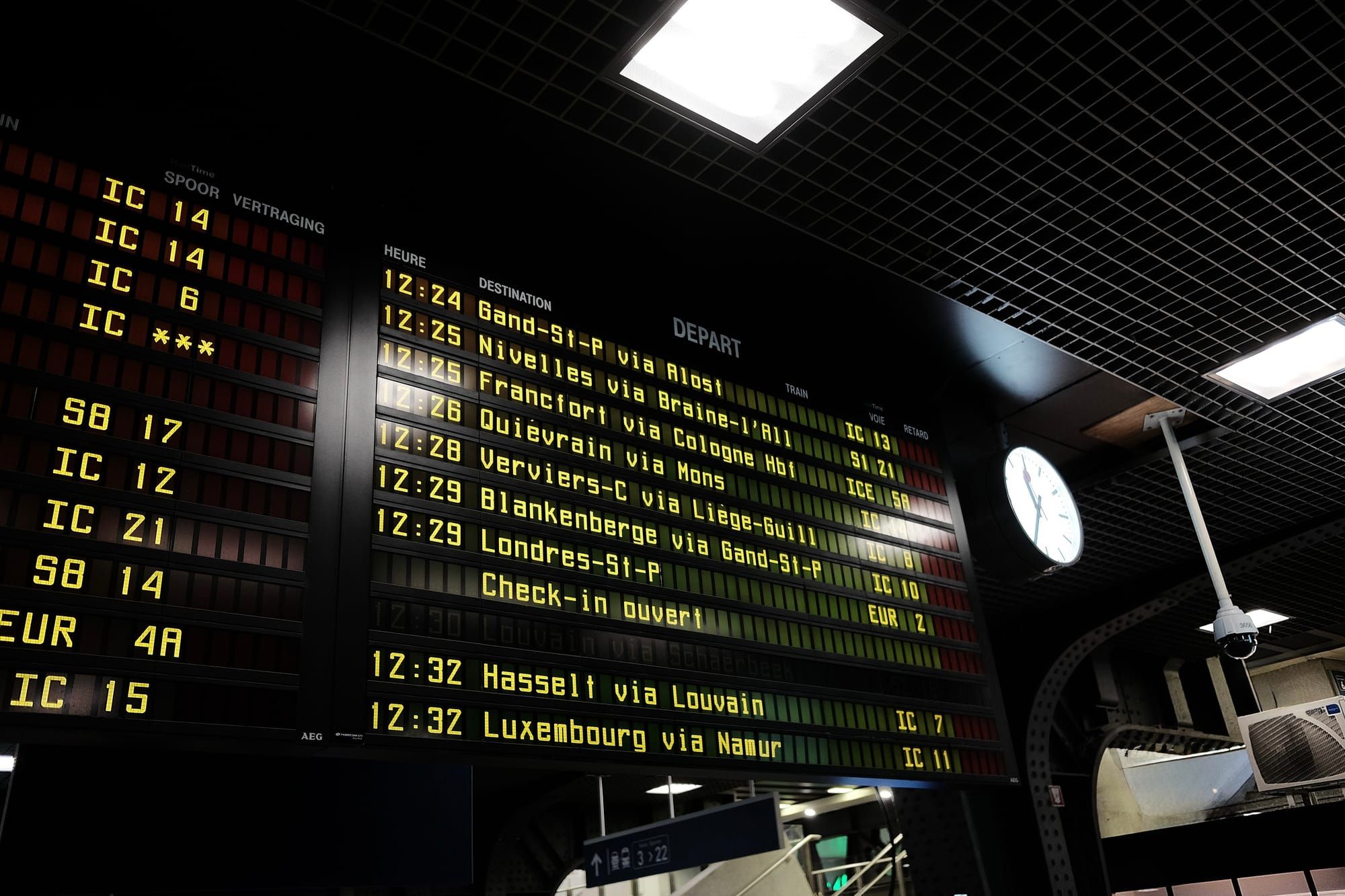
At its heart, departure is deceptively simple. When we left home for our family summer-holiday train journey to Sweden, we walked down to the station like we always do. Travelling light, we probably looked to other passengers as if we were just going out for the day. We boarded the local train, then an express to London to catch the Eurostar. Before long, we had emerged from the tunnel in France. Departing had become departed.
It should feel the same, really, for a long walk or bike ride. All you do is leave the house as if you were going on a short trip – just with more snacks and clothes. If you walk or ride from your front door, the first miles are familiar ground. Only gradually does that known world fall away until, at some point, you're beyond the extent of your usual routes. The departure creeps up on you gradually.
 Matt
Matt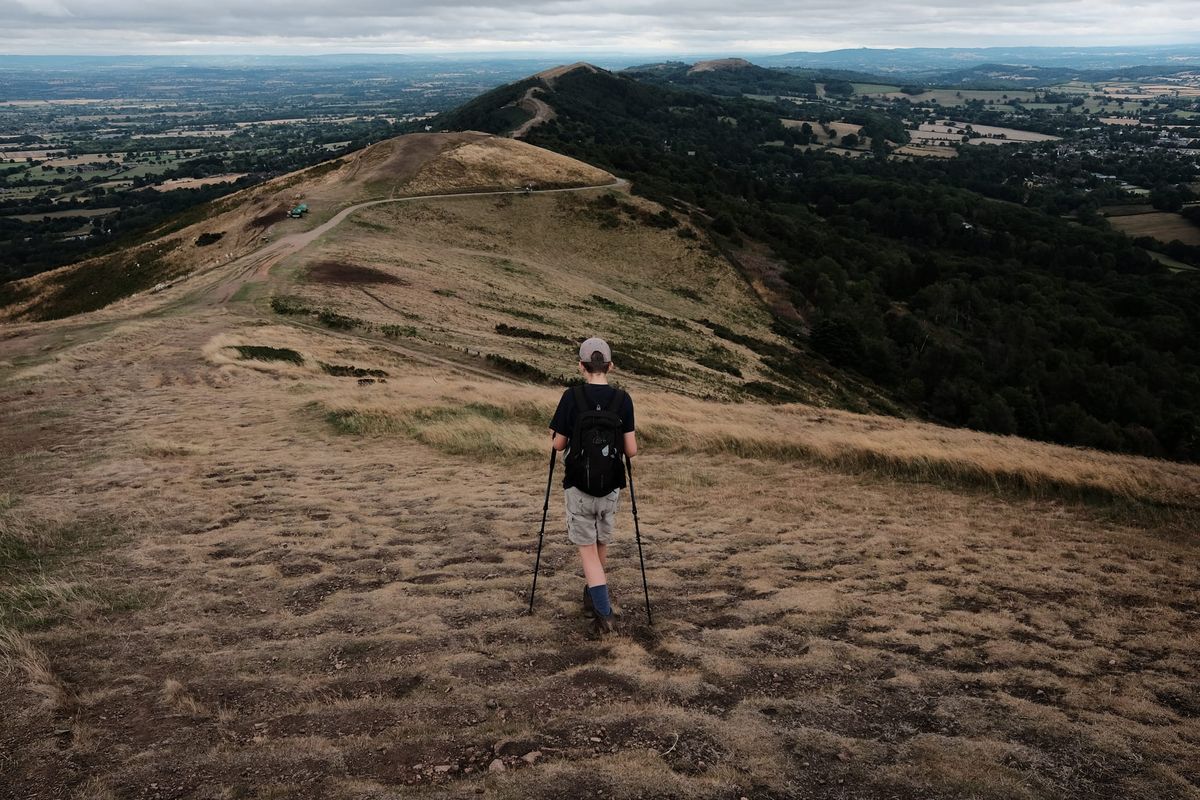
So why can leaving on an adventure feel like such a big deal? A date circled in the calendar far ahead, yet still last-minute nerves as you pack. A feeling of pressure or anxiety. Doubts as you close the door behind you, and maybe more doubts as you get further from home. I think all this stems from the fact that departing means taking a risk and trusting in luck.
Any adventure, no matter how well planned, needs a little good fortune. Otherwise it wouldn’t be an adventure. Out on the bike, I hope I’m lucky enough not to encounter a mechanical issue or injury that I can’t cope with by the trailside. I’ve practised putting a tourniquet on myself in a first aid course, but I certainly hope I never to have to do it for real.
Trusting in luck feels transgressive in a culture that’s become risk-averse. Or at least averse to certain risks. Letting children walk anywhere by themselves: too dangerous. Confining children to cars, with all the impacts that has on their health, development and independence: fine.
 Matt
Matt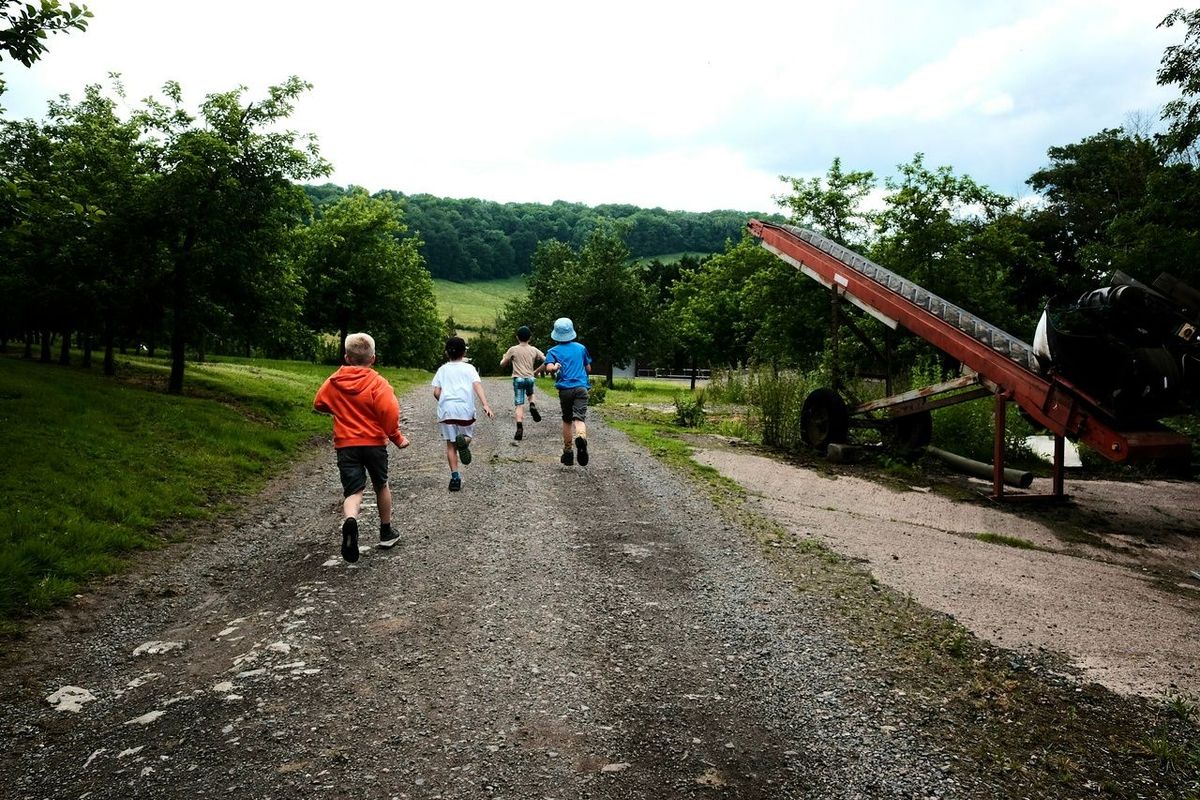
There’s also the risk of failure. We’re told we should succeed, achieve. There’s pressure to translate every experience into content for our social media accounts. But this leaves little room for adversity, mistakes or changes of plan. At times it feels like we’ve forgotten how to do anything other than take photos of ourselves in front of sunsets.
If you aim to cycle 400km but only ride 200km, have you failed? I’d argue that time spent on a bike is never wasted. Even the most disastrous ride, beset by mechanical issues and poor weather, is rarely a failure. It builds stores of resourcefulness, resilience and self-esteem. Departures feel less of a big deal if you can adopt this mindset – focusing on the process, not the outcome.
It’s taken me a while to come round to this way of thinking. Back when I was at university, I walked a section of the Pembrokeshire Coast Path with a friend. We left on a train to Wales with borrowed gear, insufficient budget and a half-baked plan to camp wild on the cliffs as we went. Each night we imagined we’d set up our little bivouac and head to the nearest pub for a few drinks with locals. Needless to say, it didn’t pan out like this.
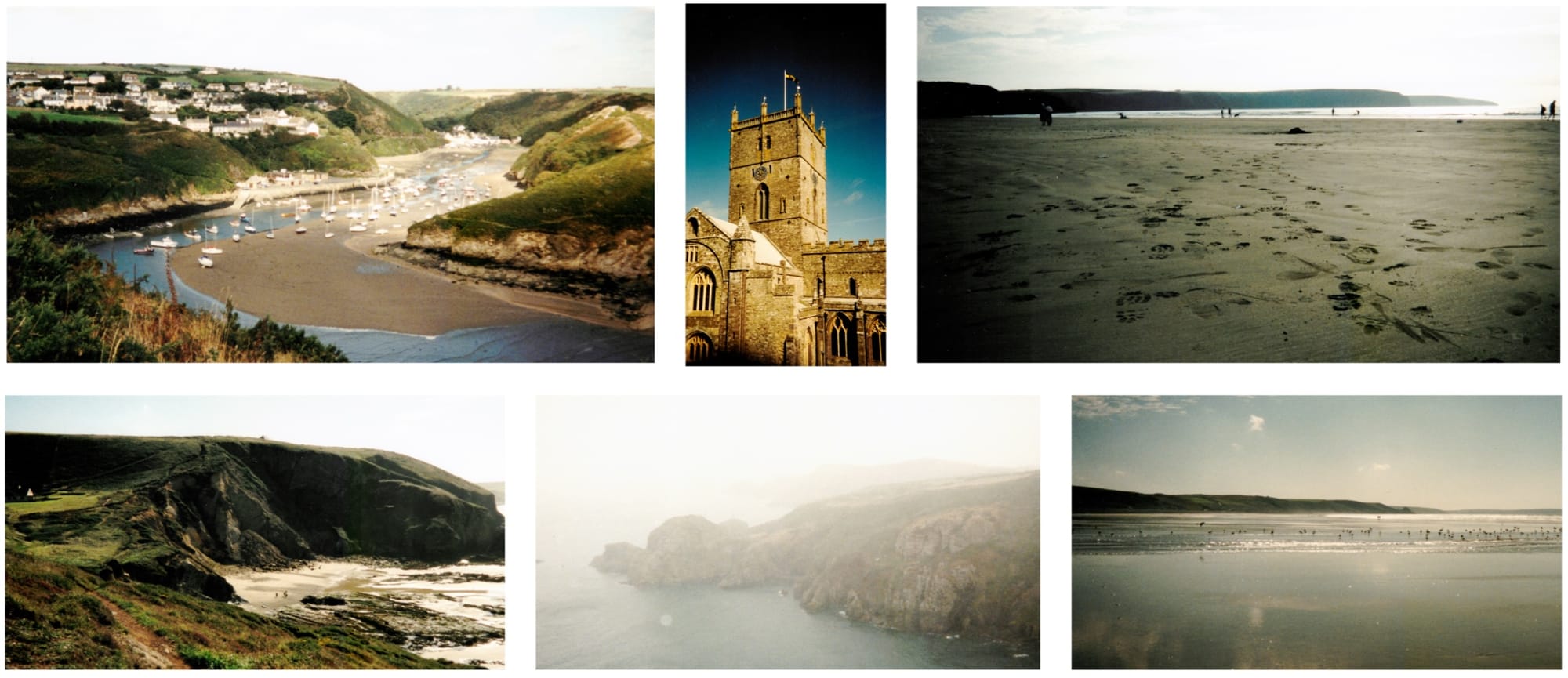
For one thing, we assumed we’d be able to buy supplies in Fishguard when we arrived. But by the time our train got in, the only option was a petrol station shop. Dinner on the cliffs that night was Frankfurters boiled in their packets using stream water, because we’d also neglected to bring enough drinking water.
Over the next few days, the weather turned wet, and we blew our budget staying in pubs along the trail. With a storm coming in, we cut our expedition short and decided to catch a train home from Haverfordwest. But we hadn’t looked closely enough at the connections – or lack of them – and ended up spending the night on the platform at Hereford station. I still remember the sound of the freight trains rumbling through as I lay, sleepless, on a bench.
Should our adventure be filed under ‘failure’ because we didn't achieve what we set out to do? I used to think so. But now I look back fondly at the days spent on the clifftops with my friend and the evenings – once we got more organised – cooking dinner on the beach with a borrowed Trangia stove.
So I’ve come to believe that the real art of departure is not the planning or the packing, it’s learning to let go of preconceived outcomes. It’s allowing your movement through a place to write its own story, whatever form that takes.