
Cycling, resistance and revolution
A ride through a village founded by a working-class political movement drew me to the story of the bicycle’s radical role in history.

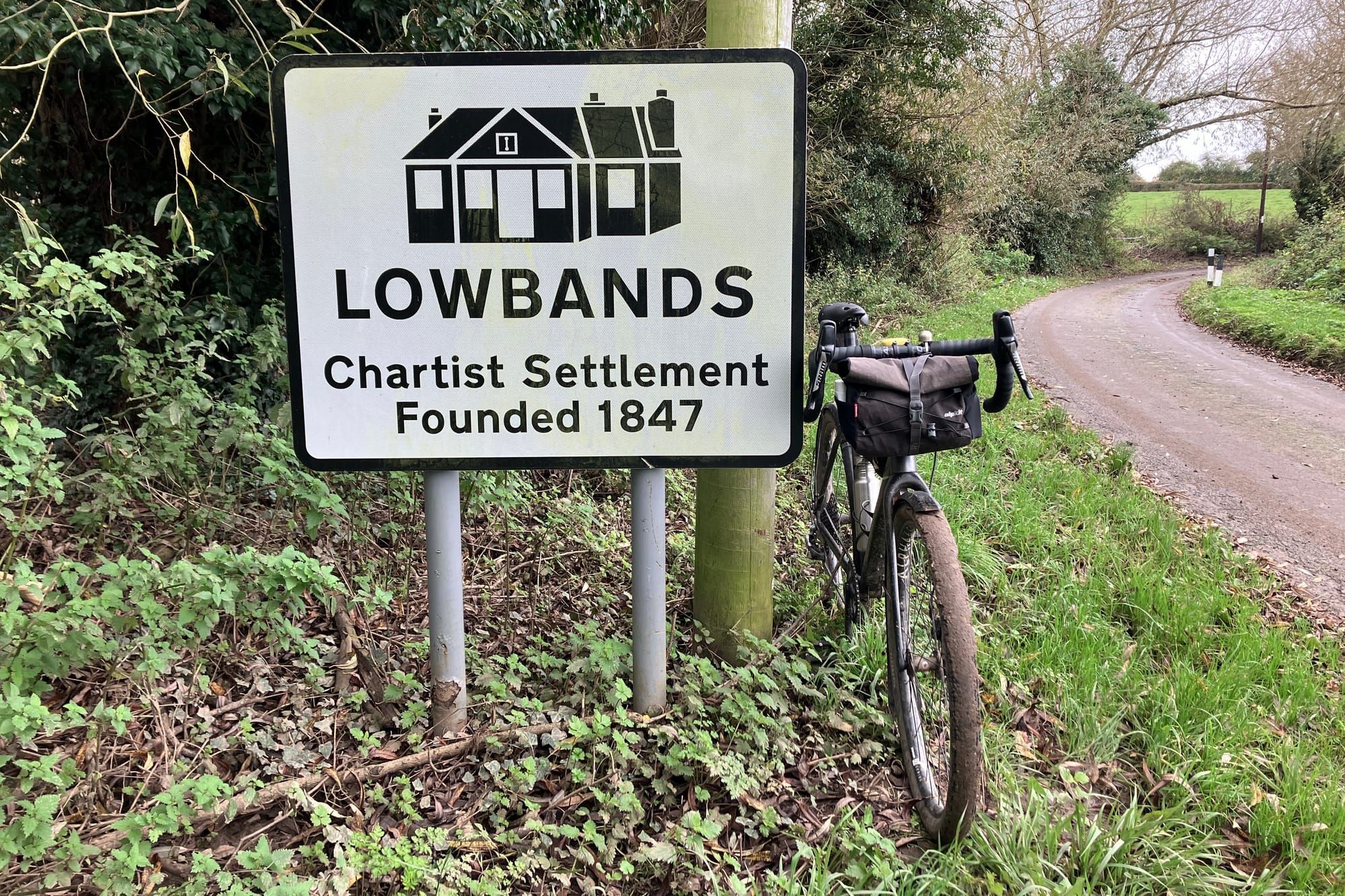
In the sleepy Gloucestershire countryside stands a village born from a bold idea: winning political power and economic independence for working people through land ownership. Lowbands was created in the 1840s under the Chartist Land Plan, led by Feargus O'Connor, to provide small agricultural plots and cottages for industrial workers seeking independence from urban poverty.
I’d cycled through Lowbands several times over the years before I thought to read more about the Chartists. The movement emerged in the 1830s, when the government granted property-owning middle-class men the right to vote but still left swathes of society disenfranchised. Chartists, named after the People’s Charter they drafted, wanted more radical reform. And settlements of homes and smallholdings were part of their plan.
Within a few decades, another movement was pressing for electoral reform – and this one arrived by bicycle.
Ultimately, despite riots and uprisings, the Chartist cause fizzled out, and their demands went unmet, at least in the short term. But within a few decades, another movement was pressing for electoral reform – and this one arrived by bicycle. After an autumn ride through the mud-strewn lanes around Lowbands, I read more about how, amid the cycling boom of the 1890s, bikes became an important tool for the suffrage movement.