
Cynffig: life in the sand
A walk through towering dunes takes us into a story of nature, people and a sand-drowned town.

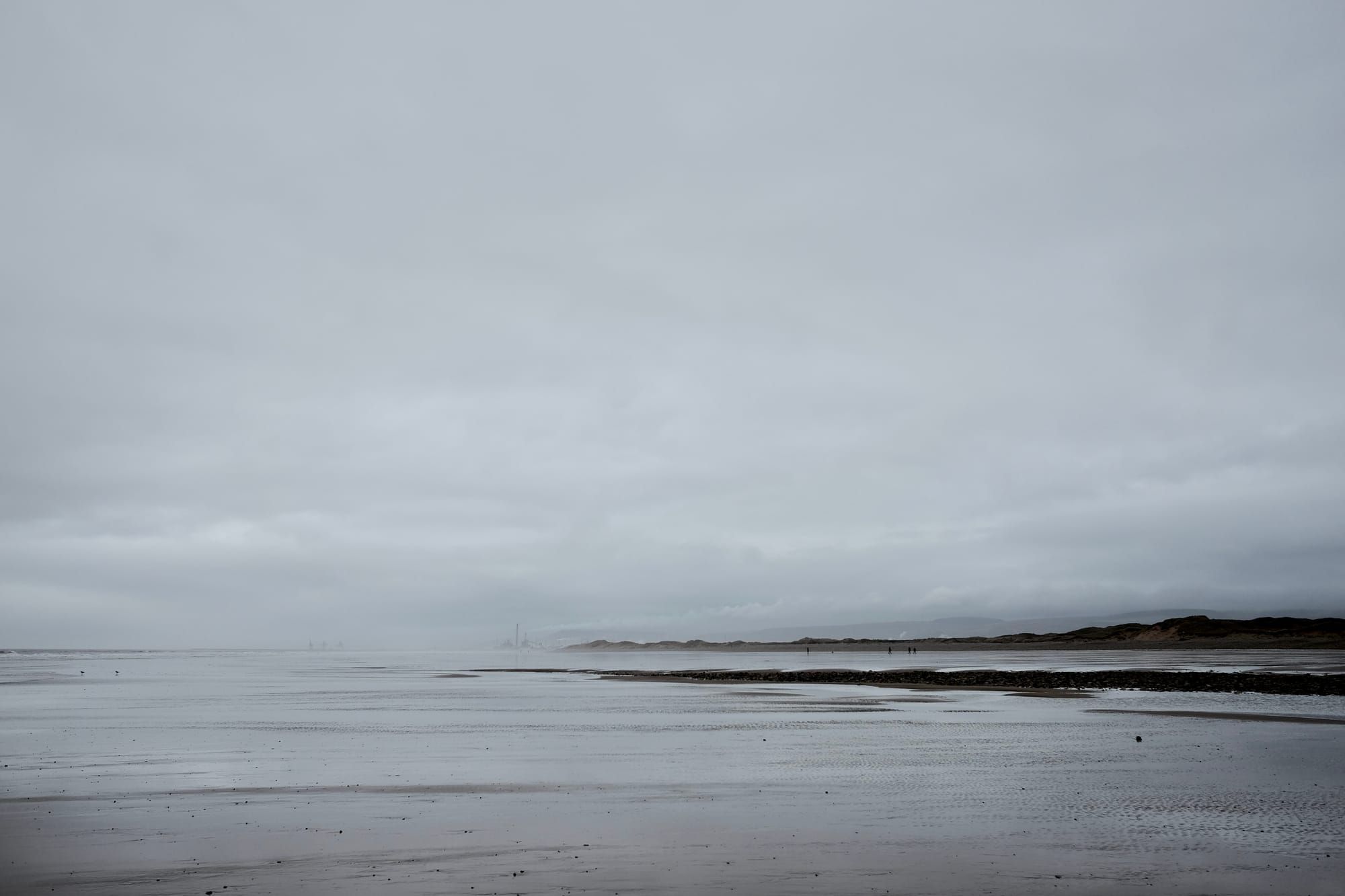
Summer, winter – the season doesn’t matter. Our journeys to Cynffig, or Kenfig as we know it in English, have the same comforting rhythm.
Leaving neighbouring Porthcawl and Rest Bay to the crowds, we walk from the visitors’ centre through the dunes and down to the beach. It always seems further than we remember as we plunge down into the nature reserve and weave along the twisty paths.
The Cynffig dunes are remnants of a larger system laid down 10,000 years ago at the end of the last ice age. They’re up to 12m deep in places and you have no choice but to surrender to their scale and plot a circuitous route to the beach. There are no easy shortcuts, not least because of the underlying clay that makes this one of the wettest dune systems in the UK.
But while loose sand and deep puddles slow our walk, they make an ideal habitat for many plants and animals. The dunes are a National Nature Reserve and a Site of Special Scientific Interest. Some 500 species of flowering plants grow here, including the rare fen orchid – or Liparis loeselii as botanists know it – one of the most endangered wildflowers in Europe. Reptiles, bats, birds, dragonflies, bees, beetles and butterflies all abound. And at the edge of the dunes lies Glamorgan’s largest natural lake.