
Ride the west wind
Taking inspiration from the Dutch and Italians, I name the wind that eases my way across Herefordshire.
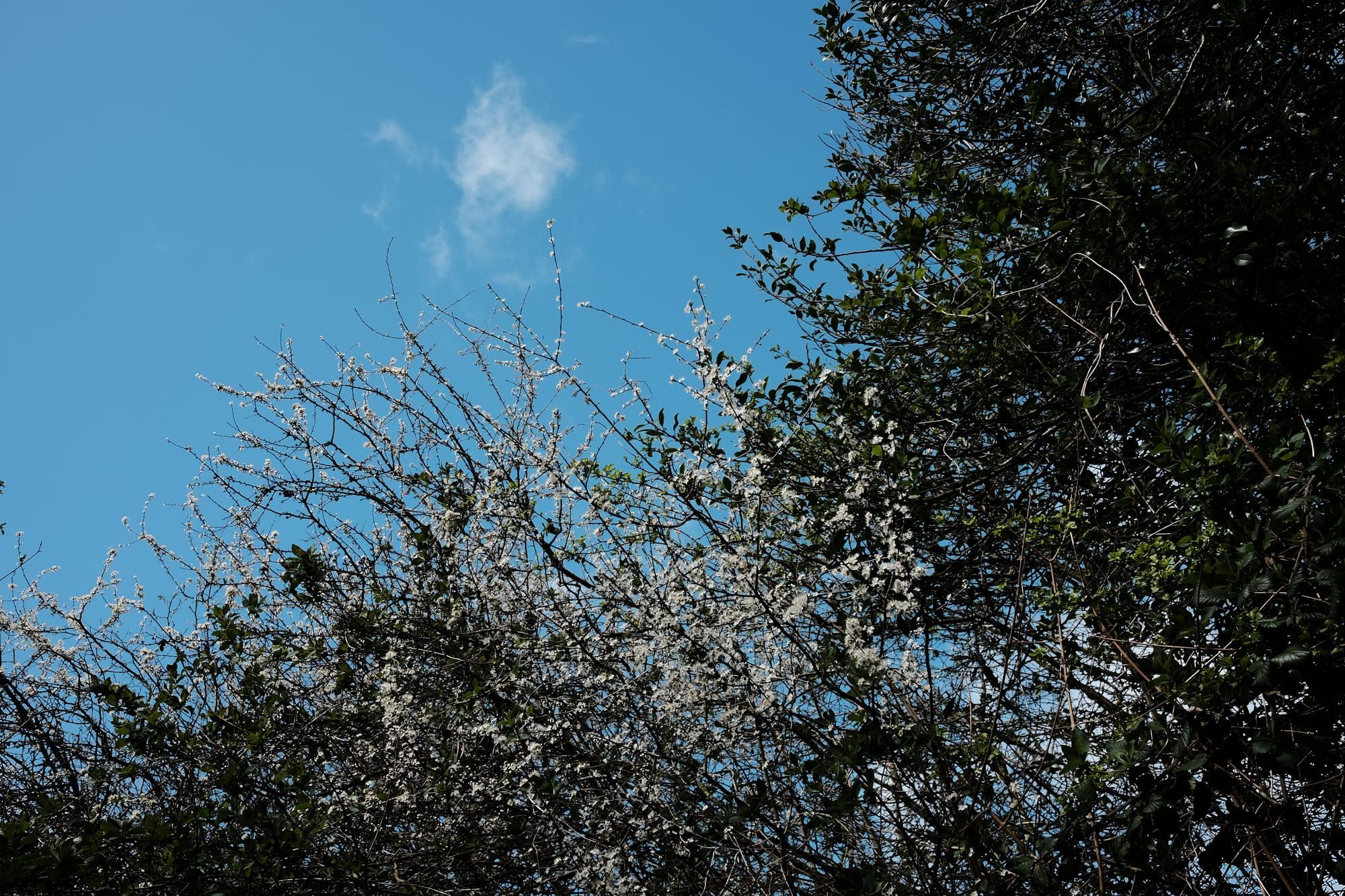
The wind can make or break a bike ride. It can certainly break the rider. Maybe those blessed with grit and determination can plough into a headwind, accepting its drain on their energy. I can’t. My resolve crumbles, and my legs give up their remaining fight. “What’s the point?” they ask me in despair. And, unlike the great pro Jens Voigt, I have no answer. I can’t shut them up.
It could be worse, I guess – I could live somewhere really windy. When a winter wind is whipping off the North Sea at near gale force, riding straight into it is the last thing I’d want to do. And yet every year, when the conditions are just right, that’s where you’ll find competitors in the Dutch Headwind Cycling Championships. They battle 8.5km along the Oosterscheldekering storm barrier on upright, single-speed bikes. Madness.
 Matt
Matt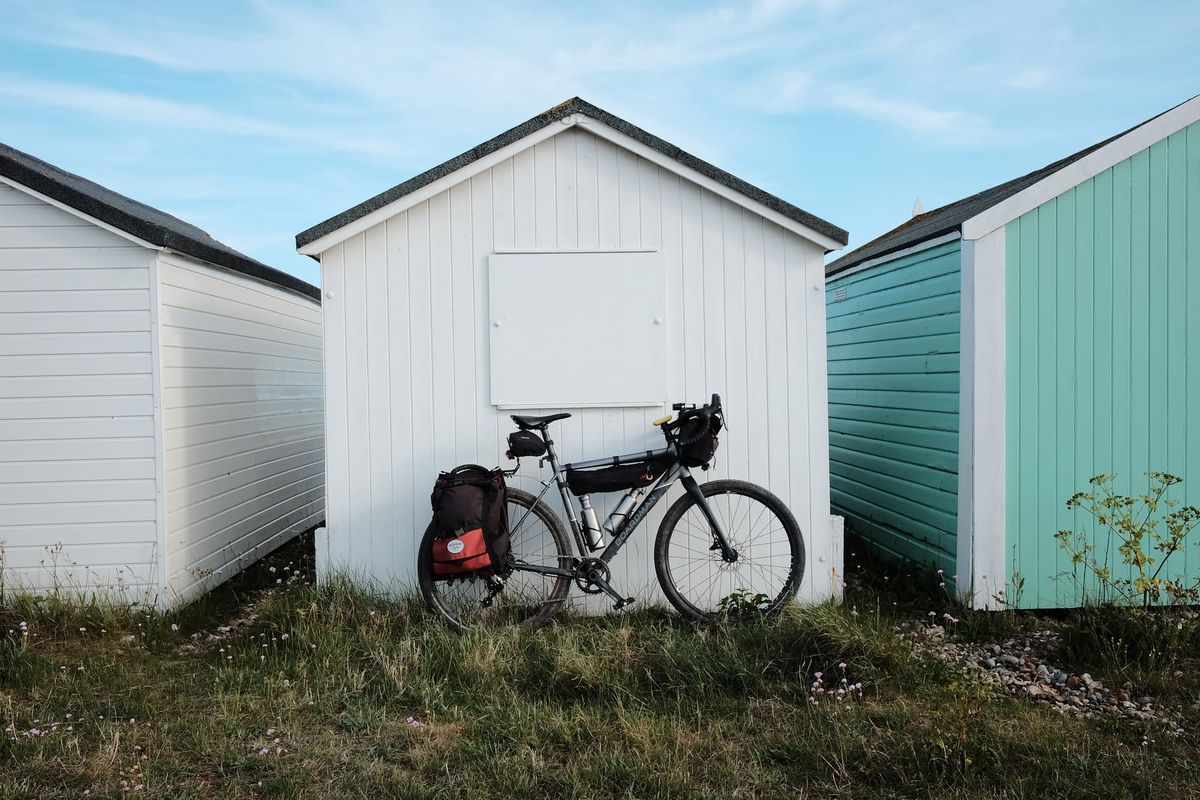
But the Dutch also have some sensible ideas. One of them is uitwaaien. It translates literally as outblowing and refers to the practice of spending time in wild, windy weather – usually by going for a walk or a bike ride – to clear your mind and feel refreshed. British people might say to ‘blow the cobwebs away’; I prefer the efficient Northern European approach of condensing the principle into a single word.
After a wet winter where longer rides were scarce, a change in the weather and a quiet day at work opened a window of opportunity for me. There was just one problem: a strong westerly wind. Riding a loop from my door would guarantee that half the ride would be unpleasant. So instead I alighted on a plan to catch the train to Hereford and cycle across the county with the wind at my back. I’d get my dose of uitwaaien without the struggle.
It proved to be one of my better ideas. The train journey went smoothly. And, after weaving through a network of cycle paths, I was soon out of the city, the wind barrelling me along the lanes. A westerly is a pretty standard wind in these parts, but I felt it deserved a grander title for its heroic work helping me along.
I cast my mind back to last October, when I walked on the Wayfarer’s Way alongside Lake Como and learnt about the winds that shape life on its waters.
The gentle Tivano wind blows from the north during the morning. In the afternoon, the stronger, southerly Breva dominates. There’s also the chance that the Ventone could descend from Val Chiavenna. It brings powerful gusts and, like an unwelcome visitor, can stay several days. Then there’s the Foehn, a dry, warm northern wind that usually calls in winter. And the Menaggino, harbinger of violent summer thunderstorms.
Tivano. Breva. Ventone. Foehn. Menaggino. The Italian language infuses the names with romance. Maybe I should call my helpful Hereford wind the Spingimi, which a translation app assures me is Italian for push me. You never know, it could acquire the same fame as the Bora, Sirocco, Mistral or Helm. Cyclists will flock to Hereford to ride eastwards when the Spingimi is blowing.
If these cycling pilgrims came in March, as I did, they’d find the off-road sections of the ride still boggy. I like to include as many byway and bridleway miles as possible in a ride, but it quickly became apparent that the Spingimi had done little to dry out these tracks. A diversion on alternative bridlepaths involved bumping my gravel bike across fields. The tailwind wasn’t much help at such low speeds.
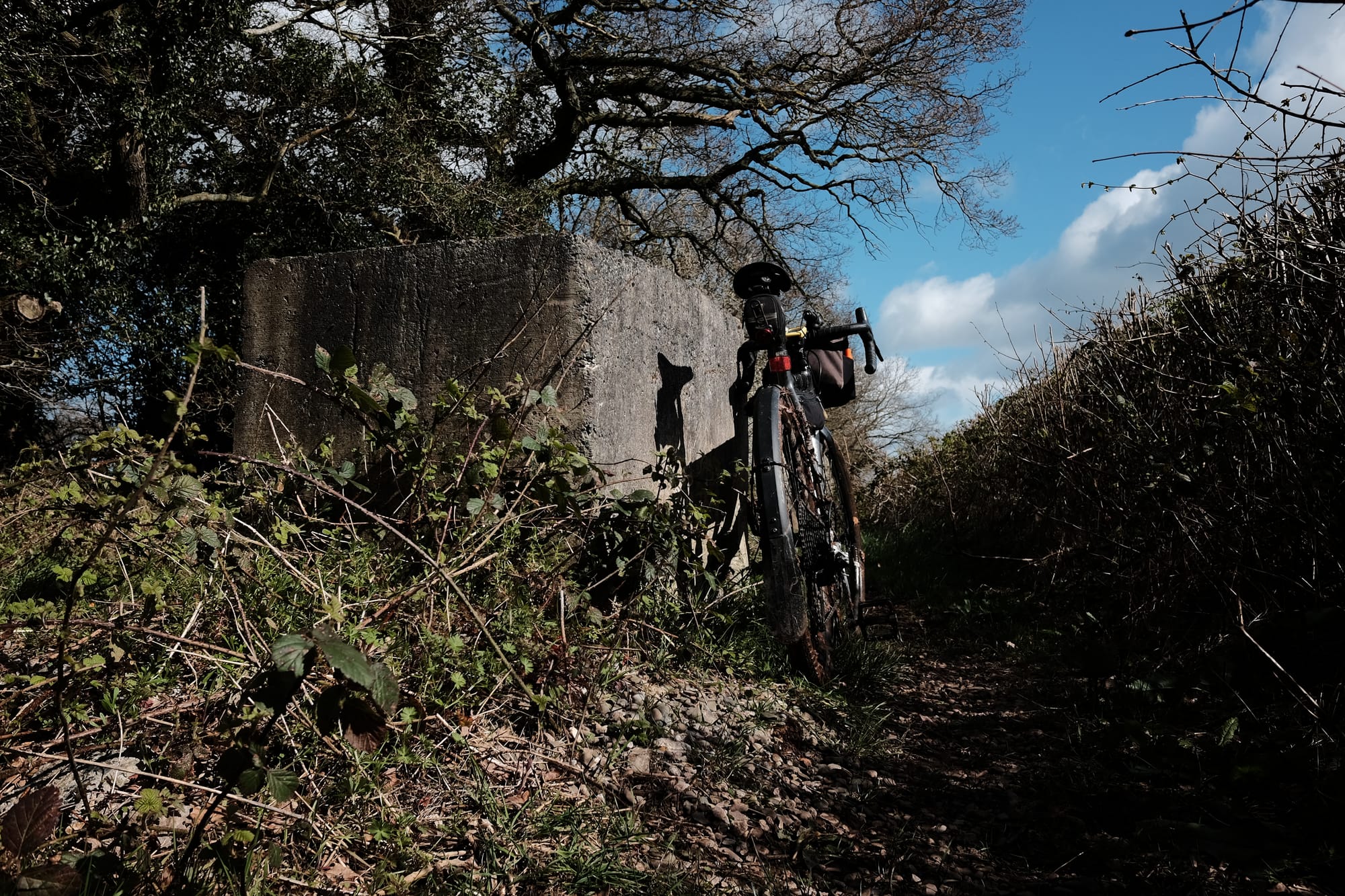
Neither did the wind flatten out the hills. And Herefordshire has plenty of hills. My lack of winter riding showed as I crawled up the inclines. All I could do was try to make it to the summits, enjoy the descents and then look forward to the flatter miles I knew were ahead. These were a joy with the wind behind me, and I clawed back some of the time I’d lost slogging across fields and up hills.
Travel writer and novelist Nick Hunt describes Europe’s famous winds as ‘invisible alleyways of the air’ that ‘have twisted through mythology, in and out of landscapes and cultures, from zephyrs to howling gales’. The west wind that blew across Herefordshire that day did more than this; it blew this out-of-shape cyclist home in time for tea. That’s quite an achievement.
Grazie, Spingimi.
Get my email newsletter
Sign up for FREE and treat your inbox to thoughtful writing about life on foot and awheel. No spam. Unsubscribe anytime.