
Walking into darkness
The story of two winter walks, one at dawn and one at dusk, and a call to dream.
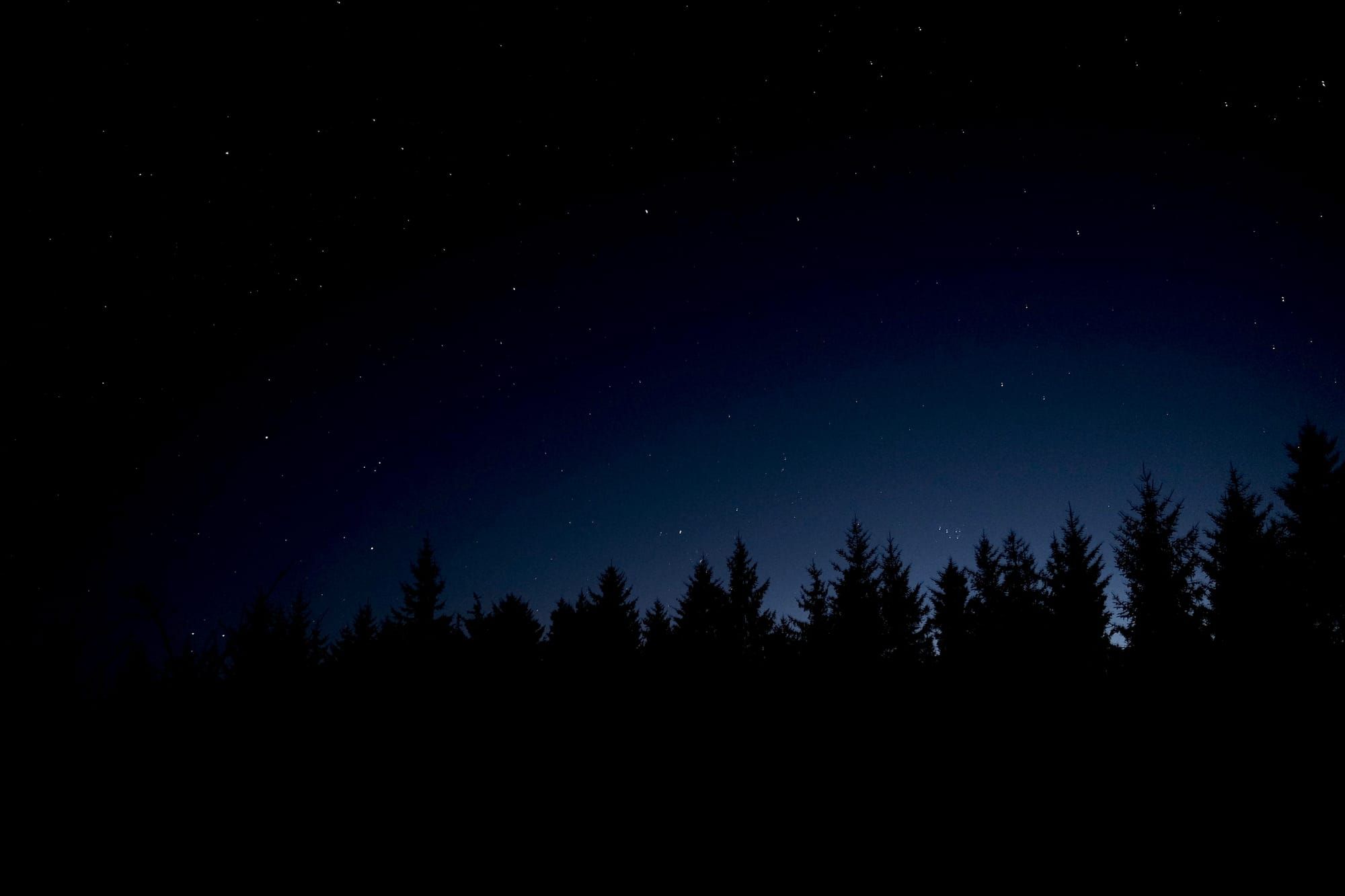
Winter is a time of walking. A season of sunrises and sunsets, halflights and shadows. Low sun highlights the contours, night erases them. I don’t bring a torch into the charcoal-black woodlands; I leave it behind on purpose and feel my way along the trail. Owls call. Deer crunch through the scrub. I am alone with them in the dark, and it feels good.
This is how I walked one moonless morning before Christmas. It was 6am, and I’d been on the hills for an hour before I passed another person. They were easy to spot; their headtorch beaming hundreds of lumens onto the path as they strode towards me. The cold white light turned our patch of night into an eerie daytime, flat and unreal. Close up, the light was blinding, and I raised a hand to shield my eyes.
My fellow walker didn’t seem to notice my discomfort, or to care. We crossed paths without greeting. Why did they feel the need for such a bright light? Why come out in the dark, only to fight its existence? I’d walked torchless miles on these paths precisely because I wanted to feel the darkness around me, to enter its world. Maybe this makes me a bit odd. Transgressive, at least.
Light is a powerful symbol in religion and culture. Its divine presence shines enlightenment upon believers, warding off the sin that lurks in the shadows. So it follows that to seek out darkness is to look for trouble, or at least to exist for a few hours beyond the gaze of polite society.